
The year 2026 stands as a pivotal period in global politics, marked by a dense calendar of elections, leadership contests, and evolving policy directions. Across continents, voters are testing democratic institutions amid economic pressures, security concerns, and rising polarization. Reports on the state of democracy highlight patterns of stagnation and declines in areas such as election credibility, legislative effectiveness, freedoms of expression, and access to justice. These developments coincide with heightened conflict levels worldwide, prompting closer examination of how political systems respond to internal and external stresses.
Major Elections Shaping the Global Landscape
Several high-stakes elections dominate the 2026 political calendar and carry implications far beyond national borders.
In Latin America, Brazil holds general elections on October 4, encompassing the presidency, Congress, and state governments. Incumbent President Luiz Inácio Lula da Silva faces a strong challenge from Flávio Bolsonaro, son of former president Jair Bolsonaro. Early results from the first round position the right-leaning candidate competitively, with a potential runoff. Voter concerns center on economic growth, inflation, and crime. The outcome could influence Brazil’s international alignments, including relations with major partners and trade frameworks.
The United States conducts midterm elections on November 3. All 435 seats in the House of Representatives and roughly one-third of Senate seats are contested. These contests traditionally serve as a referendum on the sitting administration. Control of Congress will shape the capacity to advance or check domestic and foreign policy agendas in the remaining years of the presidential term.
In the Middle East, Israel schedules legislative elections for the Knesset by October 27. The vote occurs against the backdrop of prolonged security challenges and domestic debates. Prime Minister Benjamin Netanyahu’s coalition seeks to extend its tenure while facing opposition from a range of parties. The results will affect governance stability and regional dynamics.
Europe experiences an intense election cycle. Spain holds a snap parliamentary election on November 29 after the government called early polls. Opinion trends point toward gains for the conservative People’s Party, with possible cooperation involving the nationalist-populist Vox party. This reflects a broader continental pattern of rightward electoral shifts and the erosion of traditional barriers against far-right partnerships. Other European contests include Bulgaria’s presidential election in late October, alongside parliamentary votes in countries such as Latvia and ongoing regional contests in Germany that have already shown advances for Alternative for Germany in certain states.
Additional notable votes include Quebec’s general election in early October, where the Parti Québécois secured victory, and scheduled polls in New Zealand, South Africa’s municipal elections, and others across Asia and Africa. These contests collectively test institutional resilience and public confidence in representative processes.
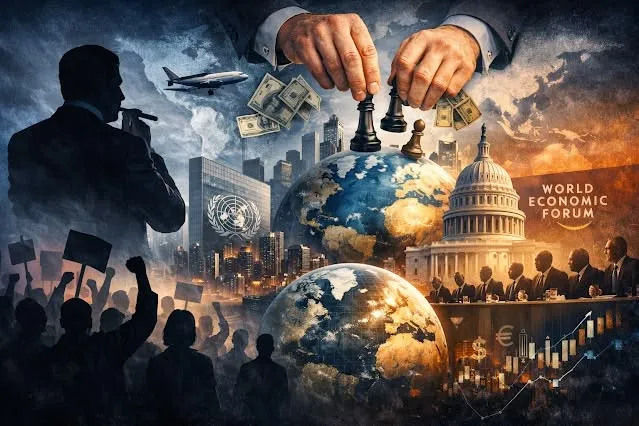
Leadership Dynamics and Emerging Patterns
Leadership contests in 2026 reveal both continuity and potential disruption. In the United States, the midterms will clarify the political strength of the current administration. In Brazil, the presidential race pits an established left-leaning figure against a conservative challenger linked to previous governance styles. European leaders face scrutiny as far-right parties gain ground in polls and regional results, pressuring center-right and center-left formations to adapt strategies, including greater openness to previously avoided alliances.
Trends point to a strengthening of populist and right-leaning forces in multiple democracies. Center-right parties show increased willingness to collaborate with farther-right groups, altering traditional coalition arithmetic. At the same time, democratic indicators register challenges in maintaining competitive processes and protecting civic freedoms. These patterns appear across regions and contribute to debates about the long-term direction of open political systems.
Policy Shifts and Broader Implications
Elections in 2026 influence concrete policy domains. Trade and economic relations feature prominently, with potential realignments in Latin America affecting partnerships with Europe and North America. Security and defense priorities remain central in Europe, where concerns over hybrid threats and regional stability shape campaign agendas. Immigration, energy, and fiscal policy also surface as recurring themes, particularly in European and North American contests.
The link between democratic quality and conflict receives renewed attention. Analyses note that environments with partial democratic procedures but limited competition or rights protections have shown higher associations with both interstate and internal violence. As democratic performance faces pressure in various countries, policymakers and observers watch for effects on regional stability and international cooperation.
Policy continuity or change will depend on electoral outcomes. Victories for right-leaning forces could accelerate deregulation, stricter border measures, or adjusted foreign alignments. Conversely, retention of existing leadership may sustain current approaches to multilateral engagement, social programs, or climate-related commitments. In all cases, domestic economic conditions—growth rates, inflation, housing, and employment—continue to drive voter priorities and constrain policy options.
Looking Ahead
The political developments of 2026 underscore a period of testing for democratic systems worldwide. Key elections in Brazil, the United States, Israel, Spain, and other nations will determine leadership compositions and policy trajectories for years to come. Rightward electoral momentum in Europe, competitive races in major economies, and ongoing concerns about institutional strength form the central contours of the year.
Observers track not only immediate results but also longer-term effects on governance quality, international relations, and the capacity of political systems to manage polarization and external pressures. As voters across continents cast ballots, the outcomes will help define the balance between continuity and change in global political trends.
Read more – starbiofact.com
