
Portugal’s latest international window has been defined less by results than by a collision of two unyielding personalities. Coach Jorge Jesus selected his team according to the demands of his system, even when that meant leaving the country’s greatest footballer on the bench for an entire match. Cristiano Ronaldo, for his part, has never been a player who accepts diminished status lightly. The result was a public rupture that ended with the captain walking out of the national team camp.
The Match That Triggered the Crisis
In Portugal’s Nations League fixture against Norway, Jesus kept Ronaldo on the bench for the full 90 minutes. It was the first time in 18 years that the forward had remained an unused substitute in a competitive game for his country. Portugal won 2-1. After the final whistle, Ronaldo did not join his teammates in acknowledging the travelling supporters and instead headed straight down the tunnel.
Jesus later explained that he had discussed the situation with Ronaldo beforehand. The plan, according to the coach, was that the 41-year-old would start on the bench and might be introduced for the final half-hour if the game required it. As the match unfolded, Jesus decided the tactical picture did not call for Ronaldo’s involvement. He needed a different profile—greater mobility, more aggressive pressing—and he stuck with the players already on the pitch.
A Coach Who Refuses to Compromise His Ideas
Jesus has been characteristically blunt about his authority. In press conferences he insisted that no player, regardless of status, would dictate his decisions. “It won’t be Cristiano, or any other player, who changes my ideas as a coach. Never. Neither him nor anyone else. Not even a president. Never. Zero,” he said. The message was clear: the team is built around the coach’s system, not around any single individual.
Those who have followed Jesus’s career will recognise the stance. Whether at Benfica, Sporting or in Saudi Arabia, where he previously coached Ronaldo at Al-Nassr, he has always prioritised collective organisation and specific positional demands over star power. At 41, Ronaldo remains a prolific goalscorer, yet the physical and tactical requirements of Jesus’s preferred style—high pressing, constant movement off the ball—place heavy demands on the centre-forward. In the coach’s judgment, those demands were not optimally met by Ronaldo in the context of the Norway match.
Ronaldo’s Response and Departure
Ronaldo’s reaction followed a familiar pattern for a player of his stature and competitive intensity. After the Norway game he trained separately, focusing on individual gym work rather than full team sessions. Reports of tension circulated quickly. Jesus publicly denied any serious rift, stating there had been no incident and that the player’s training schedule was planned. He maintained that Ronaldo would be available for subsequent matches if required.
The decisive moment came after one of those press conferences. Ronaldo posted on social media that, following the coach’s comments and a conversation with the president of the Portuguese Football Federation, he had decided to leave the national team training camp. He added that he would, in due course, explain the reasons to the Portuguese public, while wishing the team and his teammates well.
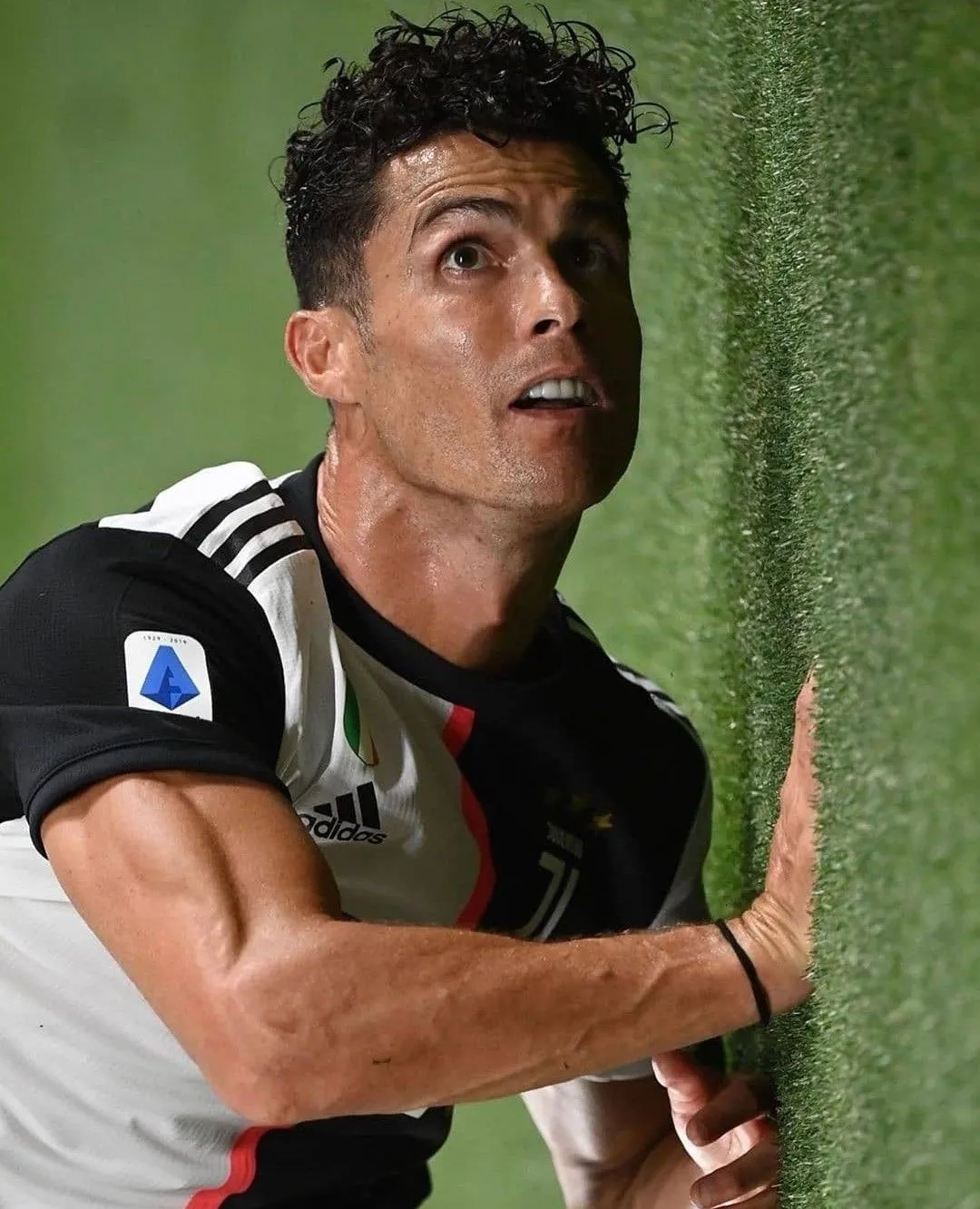
The sequence left little room for ambiguity. Whatever private understandings may have existed, the public defence of the original selection decision by Jesus, delivered without apology or softening, proved unacceptable to Ronaldo.
Two Unbending Characters
The episode is less a simple disagreement over one substitution than a clash between two men who do not bend easily. Jesus has spent a career asserting that the coach’s vision is non-negotiable. Ronaldo has spent a career refusing to accept any role that feels secondary. Both approaches have brought extraordinary success. Both also create friction when they collide inside the same dressing room.
There are echoes of earlier conflicts in Ronaldo’s career, moments when a manager’s insistence on collective discipline met the forward’s demand for central status. What distinguishes the present situation is the clarity with which Jesus has stated his position. He has not attempted to paper over the differences with vague reassurances. He has said, repeatedly, that the system comes first.
Where the Relationship Stands
In subsequent comments Jesus has left the door open. He has described the episode as a misunderstanding and indicated that Ronaldo can return if he wishes and if he continues to perform at club level. The decision, the coach has stressed, ultimately rests with the player. Ronaldo, for his part, has promised a fuller account of his perspective in the coming days or weeks.
Portugal continue to collect results without him in the immediate short term. That practical success strengthens Jesus’s hand in the public argument over selection. Yet the absence of the national team’s record goalscorer and most recognisable figure creates its own pressure, especially as larger tournaments approach.
A Familiar Tension in Modern Football
The Ronaldo-Jesus episode illustrates a recurring tension in elite football: the friction between a coach’s right to impose a coherent tactical identity and a superstar’s expectation of primacy. When the player in question is both the greatest in his country’s history and still producing at a high level, the stakes rise. When the coach is equally convinced of the correctness of his methods, compromise becomes difficult.
For now, neither man has yielded. Jesus continues to select according to his reading of the game. Ronaldo has removed himself from the environment in which that selection was made. The next chapter will depend on whether either is prepared to adjust—or whether the distance that opened in Norway simply becomes permanent. In the meantime, the Portuguese national team moves forward under a coach who has made one principle unmistakable: the system will not be bent, even for its greatest player.
Read more – carandbikejunction.com
