
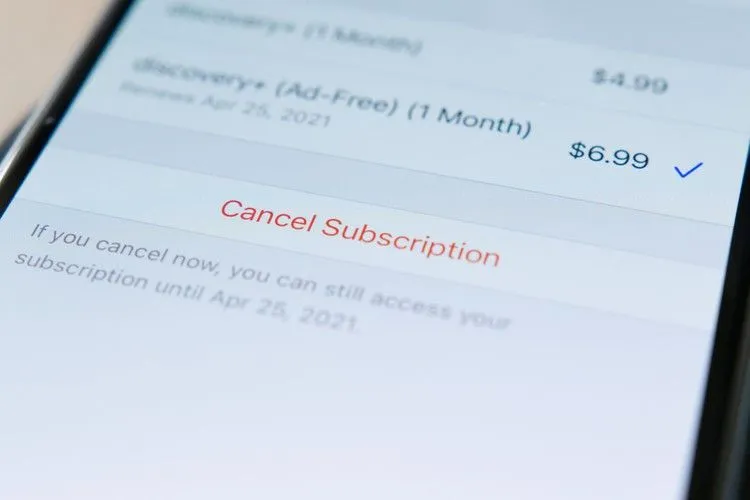
Signing up for a gym membership, streaming service, grocery delivery, or magazine subscription online often takes only a few clicks. Cancelling the same service, however, frequently involves navigating complex menus, lengthy phone calls, or additional requirements that discourage customers from ending the relationship. New York City has introduced a rule designed to address this imbalance.
What the Click to Cancel Rule Requires
New York City’s “Click to Cancel” rule took effect on 1 October 2026. It is the first municipal regulation of its kind in the United States. The rule requires businesses offering automatic renewal or continuous service subscriptions to make cancellation as straightforward as the original sign-up process.
Key obligations include:
Clearly explaining subscription terms before collecting payment or consent, including price, billing frequency, renewal conditions, and cancellation deadlines.
Providing a simple cancellation method through the same medium used for enrolment. An online sign-up must allow online cancellation; an in-person enrolment must also offer an online option such as a website or email.
Disclosing consumer rights at the time of purchase, enrolment, and cancellation.Prohibiting practices that create unreasonable barriers, such as requiring customers to return free items at their own expense or forcing them through prolonged processes.
The Department of Consumer and Worker Protection enforces the rule. Violations can result in civil penalties starting at 525 dollars for a first offence, rising for subsequent breaches, and may include requirements to refund consumers for charges incurred after an attempted cancellation.
Why the Rule Was Introduced
Many consumers report that companies deliberately make cancellation difficult. Common tactics include requiring phone calls with long wait times, directing customers through multiple online steps, or presenting retention offers that delay the process. The New York City rule aims to eliminate these “subscription traps” by ensuring that the ease of starting a subscription is matched by the ease of ending it.
The measure applies to a wide range of services, including gyms, streaming platforms, telecommunications, magazines, and other recurring payment arrangements offered to New York City residents, regardless of where the business is based.
Does India Have a Similar Policy?
India does not currently have a national or municipal rule that mirrors New York City’s Click to Cancel requirement in the same explicit form. There is no regulation that mandates cancellation through the identical medium and with the same level of simplicity as the sign-up process across all subscription types.
However, Indian consumers are not without protections. The Reserve Bank of India’s guidelines on e-mandates for recurring payments provide important safeguards. Under these rules:
Banks must send a pre-debit notification via SMS or email at least 24 hours before any recurring debit.
The notification must include a clear mechanism or link allowing the customer to opt out of the upcoming transaction or cancel the mandate entirely.
Higher-value recurring transactions often require additional authentication such as an OTP.
These provisions apply primarily to payments processed through cards, UPI AutoPay, and other electronic mandates. They give consumers a practical way to stop future charges without necessarily contacting the service provider first. Many UPI apps and banking platforms also allow users to view and cancel active mandates directly within the app.
Consumer Protection Framework in India
Broader consumer rights in India are governed by the Consumer Protection Act and related e-commerce rules. These require platforms to disclose cancellation and refund policies clearly and to process refunds within specified timelines in certain cases. Automatic renewals without proper prior consent or notice can be challenged, and consumers may approach the platform’s grievance redressal system or consumer forums if disputes arise.
In practice, the experience of cancelling subscriptions in India varies widely. Some digital services offer relatively simple online cancellation options, while others still require customers to navigate multiple steps or contact support. The absence of a uniform “same-method” cancellation mandate means outcomes depend heavily on the individual company’s practices and the payment method used.
Practical Implications for Consumers
For New York City residents, the new rule creates a clearer legal standard and an accessible complaint mechanism. Customers who encounter barriers can report the business, potentially triggering enforcement action and restitution.
In India, consumers benefit most from understanding the RBI e-mandate rules and regularly reviewing active standing instructions through their banking or UPI apps. Cancelling at the payment source often proves more effective than attempting to unsubscribe solely through the service provider’s interface. Keeping records of pre-debit notifications and cancellation requests further strengthens a consumer’s position in case of disputes.
Looking Ahead
The New York City rule reflects a growing recognition that digital convenience in signing up must be balanced by equally convenient ways to exit. Other jurisdictions may examine similar measures as subscription models continue to expand. In India, existing payment-system protections already offer meaningful tools, though a more comprehensive, medium-matched cancellation standard has not yet been adopted at the national or municipal level.
Until broader rules emerge, awareness of available rights and proactive management of recurring payments remain the most reliable ways for consumers to avoid unwanted charges and regain control over their subscriptions.
Read more – Peopleinfoz.com
