
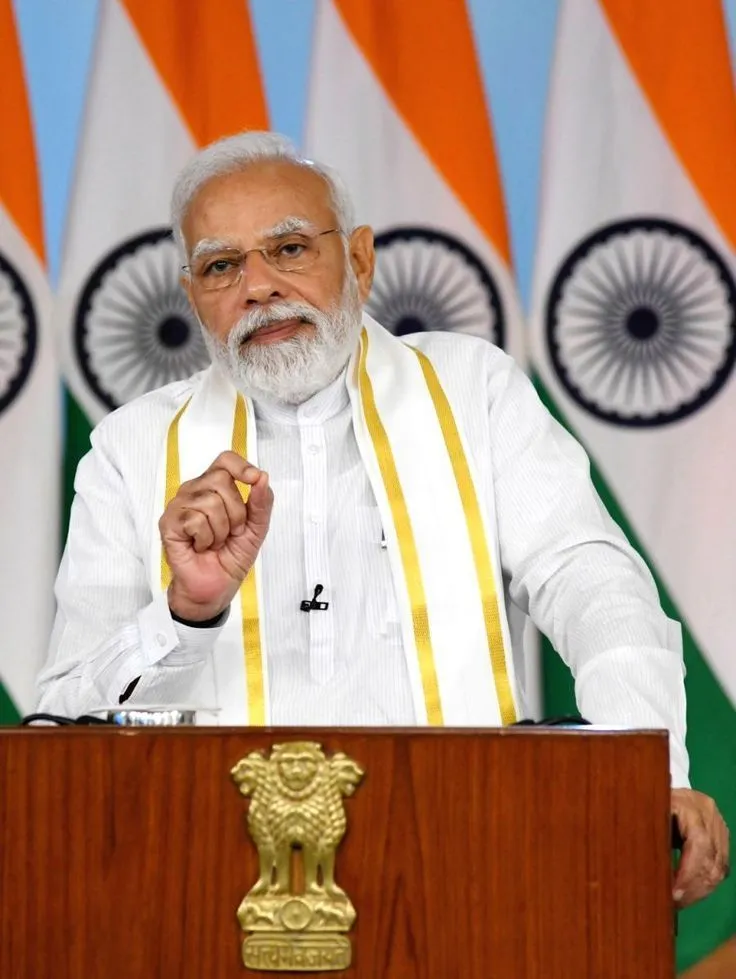
Prime Minister Narendra Modi used the inauguration of SEMICON India 2026 to deliver a clear message to the global semiconductor industry: the world needs new and trusted bases for chip manufacturing, and India is actively preparing to meet that need. Speaking at the event in New Delhi, he positioned the country as a reliable alternative manufacturing hub at a time when companies are seeking to diversify supply chains and reduce concentration risks.
A Shift from Ambition to Production
Modi described India’s semiconductor journey as having entered its second phase. The first phase centred on policy frameworks, project approvals and the construction of facilities. The current stage, he said, is defined by the move toward commercial production. Chips manufactured and packaged in India have begun reaching customers both within the country and overseas, marking a tangible shift from announcements to output.
Several units approved under the earlier phase of the India Semiconductor Mission have already commenced commercial operations, particularly in assembly, testing and packaging. Additional facilities, including plants in Mohali and Gujarat, have also started production. These developments, the Prime Minister noted, demonstrate that India is progressing faster than the multi-decade timelines often associated with building semiconductor ecosystems elsewhere.
The Case for New Trusted Locations
Global semiconductor supply chains have faced repeated stress in recent years due to geopolitical tensions, pandemic disruptions and concentrated manufacturing capacity. Modi argued that these pressures have created demand for additional, reliable production bases. India, he said, is preparing itself to serve as one such location.
The emphasis on “trusted” manufacturing reflects growing industry and government focus on supply-chain resilience and strategic reliability. By presenting India as a partner capable of contributing to more diversified and secure networks, the Prime Minister sought to align national industrial policy with the practical concerns of global chip companies.
Building a Complete Ecosystem
India’s approach extends beyond isolated fabrication or packaging plants. Under the expanded second phase of the semiconductor mission, the focus has widened to include equipment manufacturing, materials, design, research and development, supply chains and skilled manpower. The outlay for this phase has been significantly increased, signalling sustained government commitment.
Modi highlighted that successful semiconductor ecosystems require simultaneous progress across multiple layers. India, he said, has worked on chip design, manufacturing, equipment, materials and testing capabilities in parallel rather than sequentially. The goal is to create a broader industrial base that supports both large manufacturers and smaller design-focused firms and startups.
Regulatory reforms have been introduced to facilitate collaboration between international companies and Indian startups, design houses and local firms. This is intended to accelerate technology transfer, intellectual property creation and the integration of domestic players into global value chains.
Talent and Infrastructure as Foundations
A recurring theme in the address was India’s engineering talent. The country produces a large number of engineers each year, and targeted training programmes for the semiconductor sector have already trained tens of thousands of professionals. Further expansion of skill development for both design and manufacturing roles forms part of the second-phase strategy.
Energy and infrastructure readiness were also referenced as enabling factors. Reliable power, including growth in renewable and other capacity, is essential for energy-intensive chip plants and the data centres that increasingly drive demand for advanced semiconductors. The broader momentum of the Indian economy and rising international confidence were presented as additional supporting conditions for long-term investment.
From Policy to Commercial Reality
The progression of SEMICON India itself illustrates the changing focus. Earlier editions concentrated on policy discussions and project planning. The 2026 edition coincides with the beginning of commercial production at multiple sites and the formal push into a more ambitious second phase of the national mission. This sequencing—from framework to facilities to output—was held up as evidence of steady implementation.
Twelve projects had been approved under the first phase, covering fabrication, packaging and related activities, with substantial cumulative investment. The next phase is expected to increase the number of projects and deepen participation across the value chain. The government has signalled openness to both pure design companies and those pursuing integrated design-and-manufacturing models.
Strategic Context and Global Relevance
Modi’s remarks placed India’s semiconductor effort within a larger strategic frame. Success in building domestic capability, he suggested, would not only serve national goals of electronics manufacturing and reduced import dependence but would also strengthen global supply chains at a time when they are vulnerable to disruption. The emergence of an additional major manufacturing base, in this view, contributes to overall system resilience.
The pitch was directed at equipment makers, materials suppliers, chemical and gas providers, and chip designers as much as at large foundries. By inviting participation across the ecosystem, the government aims to avoid creating isolated manufacturing islands and instead foster interconnected industrial clusters.
Challenges Ahead
Building a competitive semiconductor industry remains a long-term undertaking. Capital intensity, technological complexity, the need for continuous process improvement and intense global competition all present significant hurdles. Commercial production at packaging and assembly facilities is an important step, yet advanced logic and memory fabrication at scale represents a higher level of difficulty that will require sustained effort and partnership.
The government’s expanded mission acknowledges this reality by spreading support across design, materials, equipment and talent rather than concentrating solely on large fabs. Whether this broader approach can generate the depth of capability needed to compete internationally will be tested over the coming decade.
A Clear Invitation
At SEMICON India 2026, the Prime Minister’s message was straightforward. Global demand for trusted semiconductor manufacturing capacity is rising. India has put in place policies, approved projects, begun commercial production and launched a larger second-phase programme. The country is preparing itself to serve as one of the new bases the industry requires.
For companies evaluating diversification strategies, the combination of policy support, growing infrastructure, engineering talent and early production milestones is intended to present a credible case. The transition from aspiration to output is underway. The next test will be whether India can convert this momentum into a durable, competitive position within the global semiconductor landscape.
Read more – blessandseemusic.com
