
A new government survey of domestic travel patterns reveals that faith remains the strongest motivator for overnight journeys across India, while medical needs generate the highest household spending. The findings also highlight a widening gap between rural and urban travel behaviour, with urban families taking more leisure trips even as the share of rural households reporting overnight travel has edged lower.
Religion Leads Domestic Overnight Travel
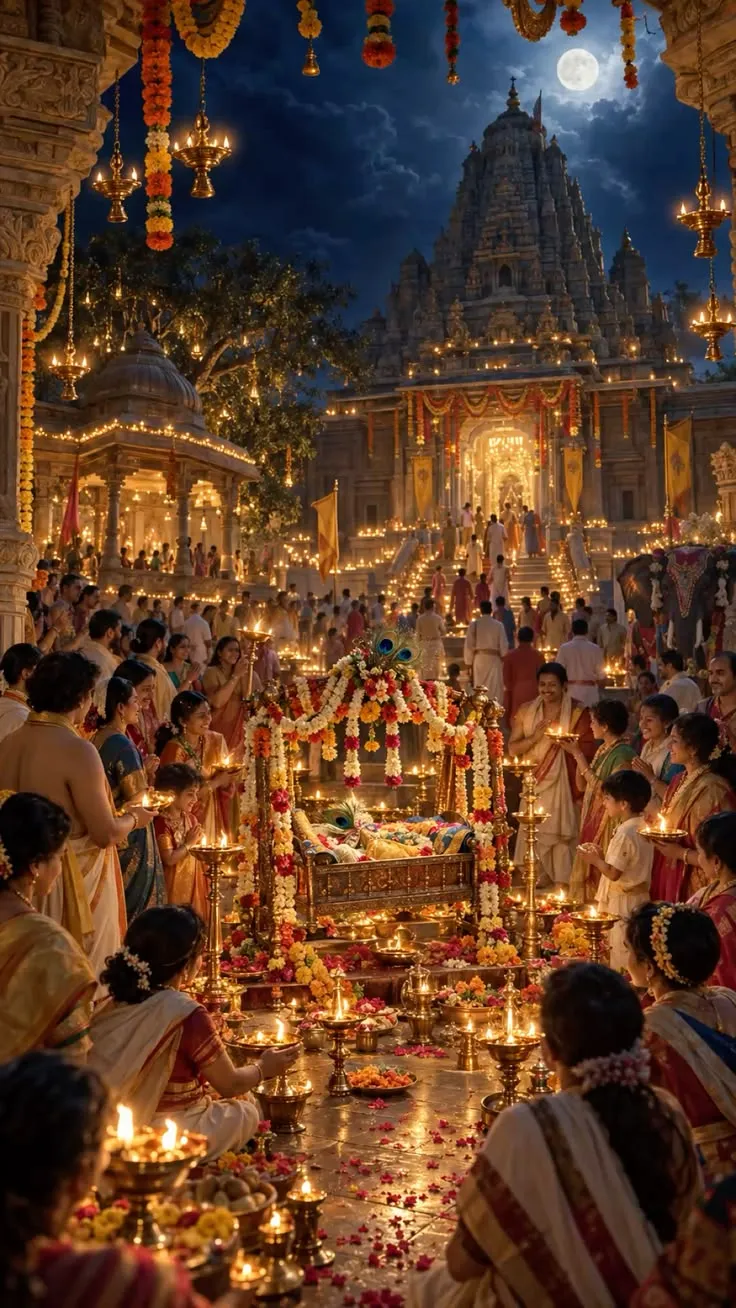
According to the Domestic Tourism Expenditure Survey conducted between July 2025 and June 2026, pilgrimage and religious activities accounted for nearly 48 per cent of overnight trips undertaken for selected major purposes over a 365-day reference period. This share was consistent across both rural and urban households.
Health and medical reasons formed the second-largest category overall, responsible for about 30 per cent of such trips. Holidaying, leisure and recreation made up roughly 22 per cent. The ranking of the second purpose differed by location: in rural India, medical travel stood at 38.4 per cent, while in urban India leisure travel took second place at 36.4 per cent.
These numbers underscore that, despite the visibility of leisure tourism in media and marketing, religious travel continues to dominate the actual volume of overnight domestic movement.
Medical Trips Carry the Highest Cost
While religious journeys are the most common, health-related travel is by far the most expensive. Households spent an average of Rs 32,167 on overnight trips whose leading purpose was medical or health-related. Rural households averaged Rs 29,454 per such trip, while urban households spent Rs 41,649.
By comparison, average spending on overnight holiday trips stood at about Rs 11,723, and religious trips cost roughly Rs 7,694. The higher outlay on medical travel reflects the combined costs of treatment, transport, accommodation and related expenses, many of which may be incurred before or after the journey itself.
This expenditure pattern has important implications for household finances, particularly in rural areas where medical travel already forms a large share of overnight trips.
State-Level Patterns in Travel Purpose
The survey reveals distinct regional specialisations in the reasons people travel. Households from Tamil Nadu accounted for nearly a quarter of all overnight holiday trips made by Indians, far ahead of Maharashtra and Karnataka. Tamil Nadu also led in the share of pilgrimage and religious trips.
In contrast, families from Uttar Pradesh, West Bengal and Bihar together accounted for more than 30 per cent of all health and medical overnight trips. Uttar Pradesh alone contributed over 12 per cent of such journeys, followed by West Bengal and Bihar. These figures point to significant inter-state movement for specialised medical care and the continued importance of major healthcare hubs in northern and eastern India.
When visitor-trips are examined by destination, Uttar Pradesh received the largest share, followed by Tamil Nadu and Rajasthan, reflecting the pull of both religious sites and other attractions.
Growing Rural-Urban Divide
The survey points to diverging trends between rural and urban India. The percentage of rural households reporting at least one overnight trip declined slightly compared with the previous major survey a decade earlier, while the corresponding figure for urban households rose. Urban families are also generating more holiday and leisure trips per household than before, whereas the number of such trips among rural tourist households has fallen.
This divergence suggests that rising incomes, changing aspirations and better connectivity in cities are translating into more discretionary travel, while rural households continue to prioritise essential journeys, particularly those related to health.
Nature of Domestic Overnight Travel
Most domestic overnight trips remain relatively short and involve small groups. The average trip size is just over two visitors, and around 80 per cent of travellers stay for five days or less. Buses remain a dominant mode of transport, especially for rural travellers, and staying with friends or relatives continues to be a common form of accommodation.
These characteristics indicate that a large volume of domestic overnight travel is still modest in scale and cost, even as a smaller segment of urban leisure travel and high-cost medical journeys pull average expenditures upward in certain categories.
Implications for Policy and Industry
The dominance of religious travel highlights the enduring importance of pilgrimage infrastructure, crowd management and basic facilities at major religious destinations. At the same time, the high cost and significant volume of medical travel underscore the need for affordable healthcare access closer to home, particularly in states that currently send large numbers of patients elsewhere.
For the tourism industry, the data suggest that while leisure travel is growing in urban markets, the bulk of overnight movement continues to be driven by non-leisure purposes. Strategies that improve the experience of religious and medical travellers—through better transport, accommodation options and information—could yield broad benefits.
The emerging rural-urban gap also warrants attention. If rural households are taking fewer discretionary trips, it may reflect both economic pressures and limited local tourism opportunities. Policies that support affordable rural tourism and improve connectivity could help broaden participation in leisure travel.
A Complex Picture of Mobility
The latest survey paints a nuanced picture of why Indians travel overnight. Faith remains the primary driver of volume, medical need drives the highest spending, and leisure travel is expanding mainly among urban households. State-level differences further reveal how geography, healthcare infrastructure and cultural traditions shape mobility patterns.
Understanding these realities is essential for planners, healthcare administrators and the travel sector alike. As incomes and aspirations continue to evolve, the balance between religious, medical and leisure travel will likely shift further. For now, the data make clear that domestic overnight travel in India is still shaped more by necessity and tradition than by pure recreation.
Read more – wellposhan.com
