
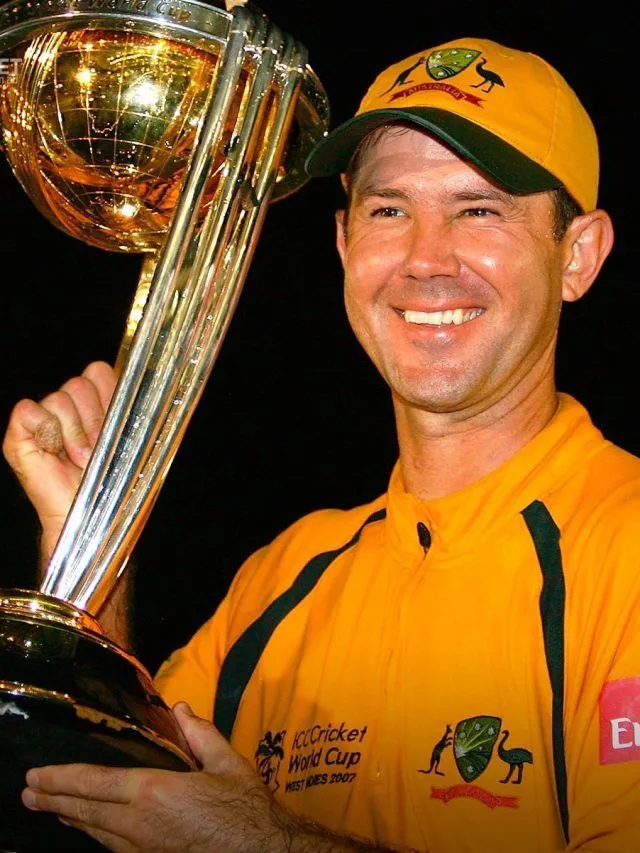
Ricky Ponting has offered a blunt assessment of how cricket should be marketed in the United States. The former Australia captain and current head coach of Washington Freedom in Major League Cricket believes the sport’s traditional name may itself be an obstacle. If the goal is to sell the game to a new audience, he argues, it should simply be called T20.
A Deliberate Rebranding Idea
In a recent interview, Ponting explained his thinking clearly. “If I was bringing it here wholly and solely to sell and promote the game, I wouldn’t call it cricket,” he said. “It’d just be rebranded as T20 only. Leave the cricket thing aside.”
His reasoning rests on perception. In countries where the sport is not part of the sporting culture, the word “cricket” immediately triggers associations with the five-day Test match—an intricate, lengthy contest that can appear slow or inaccessible to newcomers. T20, by contrast, is a self-contained entertainment product lasting roughly three hours, built around aggressive batting, regular boundaries and constant action.
Ponting suggested leaning into comparisons with baseball, a sport Americans already understand. In a T20 match, teams regularly clear the boundary 15 times or more. In baseball, a home run remains a relatively rare event. Framing the game around that contrast, he believes, would help young audiences grasp the excitement more quickly.
Growth Has Been Slower Than Expected
Ponting has been involved with Major League Cricket since its early seasons and coaches the Washington Freedom. He has stated openly that one of his reasons for joining the league was to contribute to the growth of the game in the United States. That growth, he admits, has been slower than he anticipated.
He points to a lack of sufficient activity at the grassroots level. Without a stronger pipeline of American-born players and a broader base of school and youth participation, the sport risks remaining largely confined to expatriate communities from South Asia, the Caribbean and other cricket-playing regions. Ponting believes the next phase must involve actively attracting children who might otherwise gravitate toward baseball and giving them a compelling reason to try T20.
Focus on the Short Format
When asked about promoting longer formats such as One-Day Internationals or Test cricket in the American market, Ponting was pragmatic. He remains a deep admirer of Test cricket and played far more of it than T20 during his own career. Yet he sees little value in leading with those formats while trying to establish a foothold in a new territory.
In an emerging market, he argues, the priority must be the version of the game most likely to capture attention quickly. Once a critical mass of interest exists, longer formats can be introduced. Attempting to sell the full spectrum of cricket from the outset, in his view, risks confusing or deterring potential fans.
The State of Major League Cricket
Major League Cricket has provided the most visible platform for the sport in the United States in recent years. The league has attracted high-profile international players and coaches, including Ponting and, at times, stars such as Steve Smith. Investment has grown, with ownership groups that include major Indian business interests and, in at least one case, links to an NFL franchise. Plans exist to expand the competition toward eight teams.
These developments demonstrate commercial belief in the long-term potential of cricket in America. The 2024 T20 World Cup, partly hosted in the United States, also gave the sport temporary mainstream visibility. Sustaining that interest beyond major events and converting it into regular domestic engagement remains the central challenge.
A Pragmatic View from a Traditionalist
Ponting’s comments carry weight precisely because he is not a pure T20 evangelist. As a player he was defined by Test cricket and the Ashes. As a coach he continues to work across formats. His willingness to set aside the traditional name of the sport for the sake of market entry reflects a clear-eyed reading of American sporting culture, where concise, high-scoring, easily understood contests tend to travel better than complex, multi-day ones.
The suggestion to drop the word “cricket” is deliberately provocative. It is also strategic. Branding the product as T20 emphasises the format’s entertainment qualities and distances it from stereotypes that may no longer serve the game in new markets.
What Needs to Happen Next
Ponting’s diagnosis points to two parallel requirements. First, the product presented to American audiences should be the short, dynamic version of the game, marketed in language and comparisons that feel familiar. Second, far more systematic work is needed at the youth and community level so that the sport develops local roots rather than relying primarily on existing cricket diasporas.
Major League Cricket provides a professional showcase. The harder task is building the base beneath it. Without that foundation, growth will continue to feel incremental rather than transformative.
Ricky Ponting has spent a career understanding what makes cricket compelling at the highest level. His current message is that, in the United States, the first step may be to stop calling it cricket at all—and to sell T20 on its own energetic terms. Whether administrators and investors act on that advice will help determine how quickly the sport finds a lasting place in the American sporting landscape.
Read more – atechsslaash.com , BestMenuHub.com
